
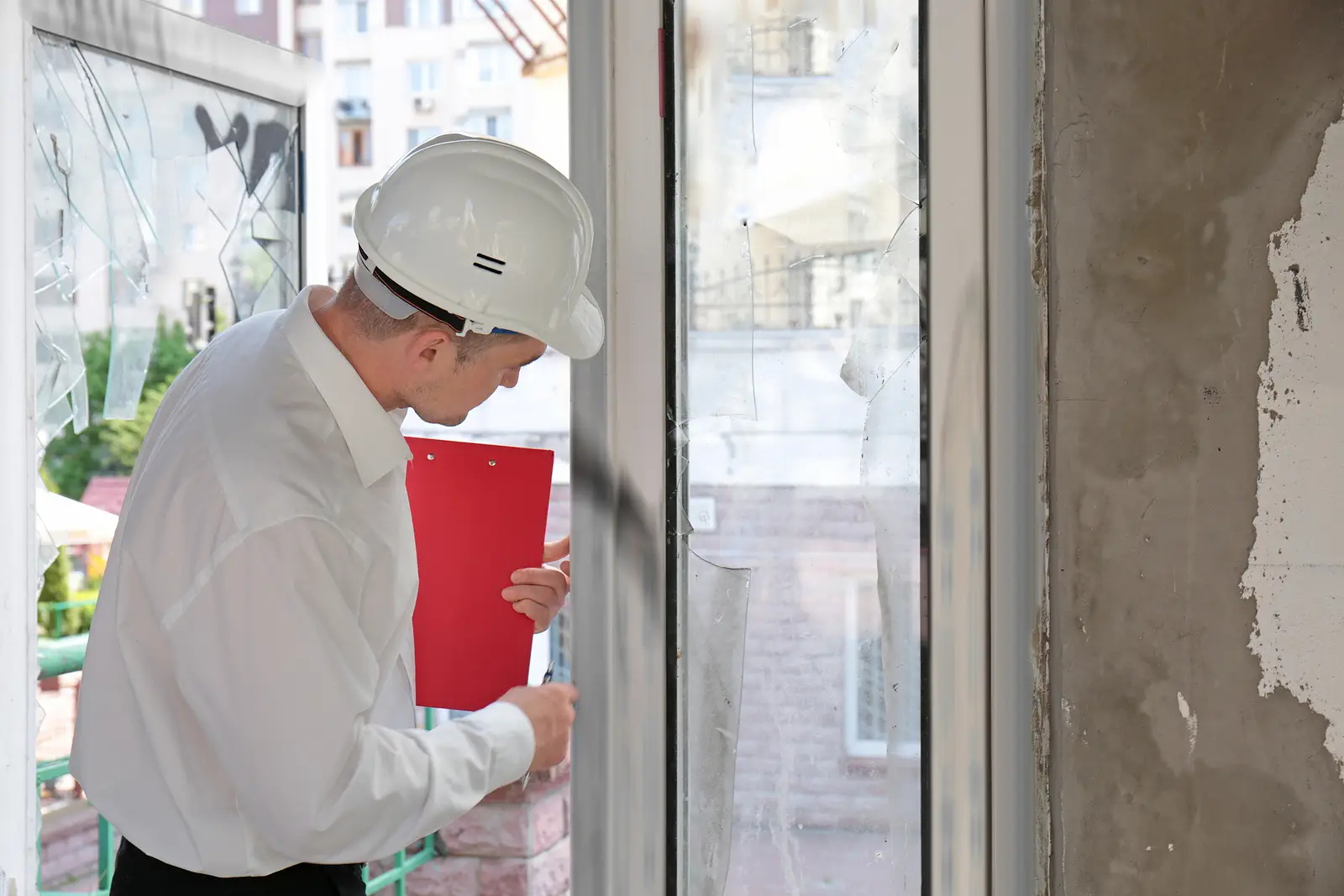
Preventive maintenance sounds simple until you watch it fall apart in real time. In Houston, TX, PMI Bayou City has seen firsthand how property maintenance planning only works when a board actually agrees on what matters. The schedule is rarely the problem. The people running it are.
Reserve funding tells much of this story on its own, since 30% of community associations reported reserves funded below half their target in a 2025 survey, a number that points directly to board decision-making rather than maintenance logistics.
For Houston HOAs, this matters because preventive maintenance requires steady leadership across seasons, budgets, and board terms. When directors pull in different directions, small maintenance issues turn into large, expensive ones. A board that stays aligned can move quickly on inspections, manage vendors with confidence, and protect shared property before minor concerns turn into major repair bills.
Key Takeaways
- Preventive maintenance depends on board members agreeing on shared priorities, not individual preferences.
- Delayed decisions almost always increase repair costs down the line.
- Vendors and homeowners both suffer when board communication is inconsistent.
- Reserve funding and preventive maintenance are directly connected.
- Documentation keeps maintenance plans intact through board turnover.
Priorities Shift Every Time the Board Changes Its Mind
One meeting decides that drainage work comes first. The next meeting shifts focus to landscaping. Nothing wrong happens in either decision alone, but the constant back-and-forth breaks any long-term maintenance strategy before it gets started.
Houston's climate makes this especially costly. Heavy rain seasons punish associations that delay drainage or roofing work, and a board that can't settle on priorities ends up reacting to storms instead of preparing for them. Humidity and seasonal flooding wear down infrastructure faster here than in drier regions, which means a maintenance calendar built around clear priorities matters more in Houston than in many other markets. Building a future-proof reserve plan early gives the board something steady to fall back on when priorities start to drift, since the plan itself becomes the reference point rather than whichever opinion carried the last meeting.
Reactive Maintenance Costs More
Waiting until a leak appears before inspecting a roof, or repairing pavement only after cracks spread, guarantees higher repair bills. Preventive plans exist specifically to avoid this pattern, but they only function when the board commits to following them. A drainage system that gets inspected on schedule rarely floods a common area. One that gets pushed back meeting after meeting eventually does, and the repair bill for storm damage almost always exceeds what routine maintenance would have cost.
Mixed Signals From the Board Create Real Problems
Vendors and homeowners both need one clear source of direction. When several board members hand out separate instructions, confusion spreads fast, and nobody outside the boardroom can tell who actually has final say on a project.
Vendors Waste Time on Clarification, Not Work
Contractors who receive conflicting scope changes end up spending hours untangling what the board actually wants instead of doing the work itself. A landscaping crew told to hold off by one director and to proceed by another will usually pause the job entirely rather than risk redoing it. Regular compliance inspection tracking gives vendors one consistent reference point instead of five conflicting ones, which keeps projects moving on the timeline the board originally approved.
Homeowners Lose Confidence in Leadership
Residents notice when board meeting explanations don't match newsletter updates. Over time, that mismatch chips away at trust, even when the underlying maintenance work is sound. A homeowner who hears one reason for a delayed repair in a meeting and a different reason in an email starts to wonder which version is accurate, and that doubt tends to spread through the community faster than any actual maintenance issue.
Budgets Without Long-Term Thinking Undermine Everything
Preventive maintenance can't survive a budget built only around short-term savings. Skipping an inspection or postponing a repair might look like it saves money this quarter, but it almost never does over a full year.
Federal guidance backs this up, since FHA-eligible condominium associations are generally expected to put 10% of the annual budget toward reserves unless a current reserve study supports a different figure, a benchmark that shows how much financial planning shapes maintenance outcomes. Boards that treat this figure as a floor rather than a suggestion tend to have an easier time funding preventive work without scrambling for a special assessment later.
Reserve Studies Lose Value When Ignored
A reserve study is only useful if the board acts on it. Boards that keep postponing recommended projects eventually face emergency assessments, unplanned repairs, and larger capital costs than the original plan ever called for. A reserve study that gets updated every few years but never actually drives spending decisions is essentially a document nobody uses, and communities that fall into this pattern tend to discover the gap only once a major system fails.
Roles Need to Be Clear, Not Assumed
Maintenance tasks get missed when everyone assumes someone else is handling them. Boards function better when specific members own specific responsibilities, and those responsibilities stay consistent from one meeting to the next.
Directors should know who reviews inspection reports, who approves projects, who monitors contractor performance, and who keeps homeowners updated. Reviewing board member responsibilities early prevents this kind of confusion before it starts, and it gives the board a reference point when questions come up about who authorized a particular expense or change order.
New Board Members Shouldn't Start From Zero
Board turnover is normal, but restarting a maintenance plan from scratch every time new members join wastes years of progress. Preventive maintenance depends on continuity that outlasts any single board term, since roof replacements, drainage upgrades, and amenity repairs rarely fit inside one election cycle.
Communities that keep clear documentation, including guidance from dedicated professionals for HOA success, help new board members pick up existing plans instead of rebuilding them. A new director who inherits a documented plan can start contributing immediately, rather than spending an entire term relearning decisions the previous board already made.
Institutional Knowledge Needs a Home
Vendor history, inspection records, and budget assumptions shouldn't leave with outgoing board members. Documenting these details protects the maintenance plan itself, not just the people currently running it. Without that record, a new board often repeats research that already happened, or worse, undoes a decision that was made for reasons nobody remembers to explain.
Trust Grows When Communication Stays Consistent
Homeowners support maintenance spending when they understand why it matters. Boards that explain their reasoning and follow through on what they promise tend to keep that support even through difficult budget years.
Open, transparent financial discussions build the kind of confidence that makes future maintenance decisions easier, not harder. A resident who understands why a dues increase funds a roofing project is far more likely to support that increase than one who only sees a number change on a statement with no context attached.
FAQs about HOA Board Alignment in Houston, TX
If the HOA delays a major repair, will homeowners end up paying for it?
Often, yes. Deferred maintenance frequently leads to special assessments or higher dues down the line. The exact financial responsibility depends on governing documents, but homeowners typically feel the impact regardless.
What should a new board member do before changing an existing maintenance plan?
Review the reserve study, past inspection reports, and existing vendor agreements first. Acting on documented information keeps the plan intact while still allowing new members to make informed adjustments.
How can a homeowner tell if their board is planning maintenance responsibly?
Look for regular inspections, an updated reserve study, clear budget communication, and scheduled projects. Boards that share this information openly are usually managing maintenance with a long-term view.
Will hiring a management company fix board disagreements automatically?
Not by itself. A management company offers structure and expertise, but the board still has to agree on priorities for any preventive maintenance plan to actually succeed.
How often should a board revisit its maintenance strategy?
At least once a year, and again after major inspections or budget changes. Regular reviews keep the plan realistic and prevent priorities from drifting apart.
Steady Leadership Keeps Maintenance on Track
Preventive maintenance isn't complicated once a board commits to it together. Shared priorities, clear roles, and consistent communication turn a maintenance plan into something that actually protects the community, year after year, instead of just sitting on paper waiting for the next disagreement to stall it out.
PMI Bayou City works alongside Houston HOA boards to keep that consistency in place, from inspections to vendor coordination, so the plan your board approves this year is still the plan you're following next year. Schedule your maintenance walkthrough and start building a plan your board can actually stick to.
